



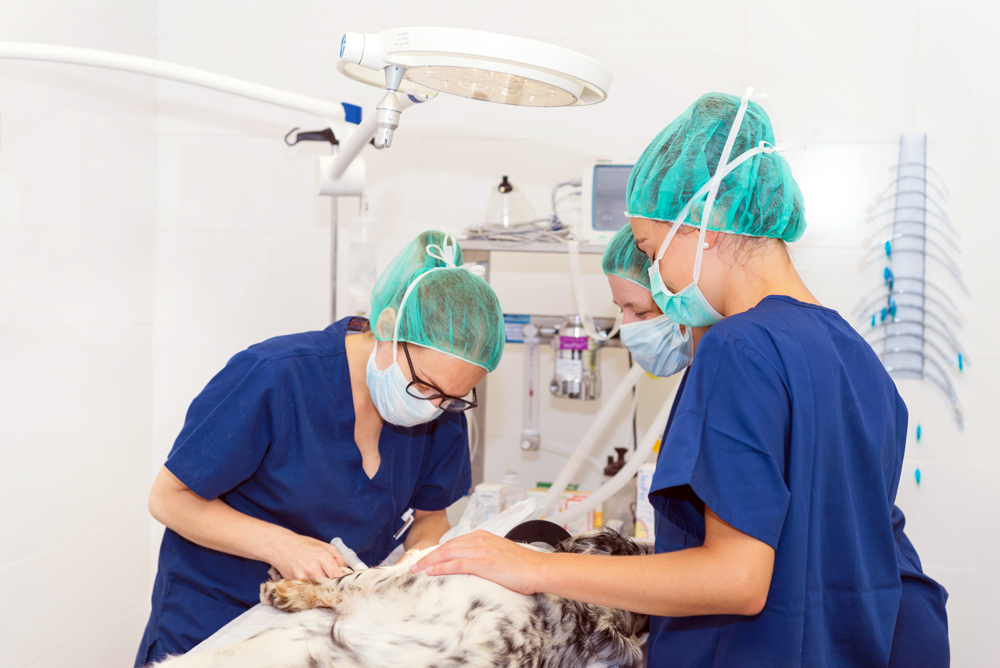
Veterinary clinics sometimes face moments of crisis: a key veterinarian falls ill unexpectedly, a natural disaster disrupts staffing, a surge of emergencies overwhelms the regular team, or equipment breakdowns force certain staff absences. In these moments, practices must be able to secure emergency relief veterinary services to maintain patient care standards, protect staff well-being, and avoid financial or reputational loss. Emergency relief veterinary work is a highly demanding variant of relief staffing—it requires speed, reliability, and professionals able to cope with pressure and uncertainty.
Critical coverage demands more than just filling a shift; it means integrating someone rapidly into your clinic, ensuring that the relief veterinarian can handle urgent cases, emergencies, or high-volume workload, and that communication and protocols are clear and effective immediately. The VET Recruiter Relief is a platform purpose-built to help in exactly such scenarios by connecting veterinary practices with relief veterinarians nationwide in a streamlined way, reducing delay and increasing readiness.
What Makes an Emergency Coverage Situation Unique
Emergency coverage differs from routine relief staffing in several key ways. First, the timeline is compressed. Clinics often need veterinary support with little notice—sometimes hours, sometimes overnight. The need is urgent: patient care can’t wait. Delays in covering emergency needs can lead to worsened outcomes, client frustration—or worse, increased risk to patients.
Second, the cases involved are often higher acuity. Whereas routine relief shifts may largely involve wellness check-ups, vaccinations, or scheduled surgeries, emergency coverage may include trauma, renal failure, severe illnesses, or life-threatening situations. That means the relief veterinarian must have strong emergency, diagnostic, surgical, stabilization, and sometimes critical care skills, as well as the ability to make quick decisions under pressure.
Third, support infrastructure is more crucial. The relief veterinarian must rapidly understand the clinic’s emergency protocols, how triage is conducted, what diagnostic machines are available (radiography, ultrasound, lab support), what medications or supplies are stocked, and who is on the support staff. Any gap or confusion in those areas can seriously slow care. Clinics’ systems for admitting emergencies, owner communication, follow up after treatment, even how records are kept, can all vary greatly—relief veterinarians in emergency situations must be able to adapt quickly.
Finally, the emotional stakes are higher. Emergencies bring stress, urgency, possibly client distress. A relief veterinarian stepping in during a critical coverage situation must be able to maintain composure, clear communication, and empathy, even when resources are stretched or the situation is chaotic.
Why Practices Need Emergency Relief Veterinary Services
Ensuring uninterrupted emergency coverage is essential for veterinary practices for many reasons. Continuity of care is a prime concern. When emergencies occur and there is no qualified vet available, clinics may have to turn away patients or refer them elsewhere, potentially delaying treatment. This not only harms patients but can damage the practice’s reputation and client trust.
Staff welfare is another critical factor. Without emergency relief, other veterinarians may be forced to work excessive shifts, long hours, or take on cases outside their comfort zone. This can lead to fatigue, burnout, increased error risk, and lower morale among the team. Having reliable emergency backup helps prevent overstretching permanent staff and supports a healthier workplace.
Financially, losing emergency or after-hours opportunity (emergencies often command higher fees), or cancelling surgeries or urgent appointments, can translate to significant revenue loss. On the flip side, having emergency veterinary services in place means the practice is able to serve clients at times of real need, which may reinforce loyalty, referrals, and positive online or community reputation.
Finally, emergencies are unpredictable, by definition. Natural disasters, public health crises, spikes in regional disease, or unexpected staff sudden illnesses can all leave clinics vulnerable. Having access to emergency relief veterinary services contributes to resilience—practices that can respond to crises rather than being overwhelmed are more likely to survive and thrive.
Key Features and Skills of an Emergency Relief Veterinarian
When a veterinary clinic seeks to hire emergency relief coverage, it is essential to have veterinarians who are not only clinically competent but also ready for high pressure. Clinical skills in emergency medicine—stabilization, triage, surgery, fluid therapy, critical monitoring—are prerequisites. It is also beneficial if the veterinarian has experience with diverse settings, possibly including emergency hospitals or mixed practices that handle a wide case mix.
Rapid adaptability is vital. An emergency relief veterinarian must quickly learn where everything is: supplies, instruments, staff roles, layout of clinic, where things are stored, how the clinic operates under pressure. They should be able to lead or follow triage protocols immediately. Good teamwork with staff who may be unfamiliar, or under stress themselves, is crucial.
Communication skills are particularly tested. A relief veterinarian stepping into an emergency coverage role must often explain to clients what is happening, outline prognosis or risks quickly, and establish trust under stress. Clear updates to staff, strong leadership or coordination, and clear documentation are all required.
Emotional resilience and professionalism matter. Emergencies can be overwhelming physically and emotionally. A relief veterinarian must manage their own stress, avoid burnout, and maintain compassion. The ability to stay calm, to make good decisions in uncertainty, and to provide clear, compassionate service is what distinguishes successful emergency relief veterinary work.
How The VET Recruiter Relief Supports Emergency Coverage Indeed
The VET Recruiter Relief is structured to help meet these critical coverage demands. The platform is available nationwide, meaning that when a practice faces an emergency staffing gap, they can search for relief veterinarians across a broad geographic area rather than being limited to local candidates. This widens the likelihood of finding someone with the right skills who is also available on short notice.
One of the core strengths of The VET Recruiter Relief is its large network of relief veterinarians with flexible schedules who are accustomed to relief work. Veterinarians in this network often are willing and able to respond to emergency or last-minute assignments. Because they are part of a platform that facilitates relief work, many relief veterinarians have sorted out many of the logistical hurdles—licensing, credentialing, contracts—which expedites responsiveness.
The platform offers simpler processes for practices needing relief immediately. Practices fill out forms indicating relief needs, possibly specifying emergency or critical care experience, times, hours, etc. Relief veterinarians in the platform can then pick up the shift, sometimes with minimal turnaround. The simplified terms for employers help reduce delay: fewer back-and-forths negotiating basic terms.
Another benefit is transparency. The platform lets practices and vets see availability, rates, expectations, and get clear confirmation. When emergency coverage is needed, there is no time to negotiate complexity or deal with administrative ambiguity. The platform’s structure is intended to reduce friction in those areas.
Preparing for Emergency Relief Coverage as a Practice
Even with a capable platform, practices need to be ready internally to integrate emergency relief veterinarians smoothly. Practices should maintain updated standard protocols for emergencies: triage system, where equipment is located, what support staff is available, how after-hours or weekend work proceeds, documentation protocols, etc. Having a quick onboarding package or basic orientation document ready helps relief veterinarians immediately step in.
Communication in advance is critical: inform staff that relief will be coming, assign team members to assist relief vet, make sure roles are clear; identify who the relief veterinarian reports to, who guides them through unfamiliar clinic layout, supply storage, record keeping, etc. Clear lines of communication reduce delays.
Having reliable technology infrastructure and good record-keeping helps. If electronic medical records are up-to-date, patient histories accessible, labs and diagnostic tools working well, the relief veterinarian can begin care immediately rather than spending time tracking down missing records or figuring out where things go.
Also, practices need to anticipate cost. Emergency relief may cost more per hour, shift or per emergency case. Travel or lodging expenses may apply if the relief veterinarian is coming from afar. Be ready to factor those into decisions. But often those costs are lower than the costs of canceled services, negative client reactions, or permanent staff burnout.
Examples of Emergency Coverage Scenarios
Consider a general practice clinic where the lead surgeon is suddenly unavailable due to illness. Surgeries scheduled over the coming week cannot be delayed without risk to patients. The clinic uses The VET Recruiter Relief to source a relief veterinarian with surgical experience on short notice. The relief vet arrives, uses existing OR protocols, completes surgeries, and prevents schedule backlog.
In another instance, an emergency hospital experiences higher-than-expected caseload due to a regional accident event or outbreak. Permanent veterinarians are overwhelmed. Emergency relief vets from the platform are contacted to fill extra emergency shifts, helping avoid turning away urgent cases.
A third scenario might involve natural disaster—say a storm damages staff housing or clinics. Some staff are displaced; others cannot commute. Clinics use emergency relief veterinary services via platforms to cover essential operations such as triage, stabilization, or urgent medical interventions until normal staffing resumes.
Challenges and Risks in Emergency Relief Veterinary Services
Emergency relief work carries risks. Because it often involves high-stakes, high-intensity cases, mistakes or inefficiencies can have more severe consequences. The relief veterinarian may be unfamiliar with clinic equipment or layout, which can slow response or cause frustration.
Legal or licensing issues can also arise. If a relief vet is crossing state lines or operating under different jurisdictional rules, they must have appropriate licensure. Liability insurance needs to be in place. Practices must ensure credential verification is done swiftly but thoroughly, so that relief veterinarians are covered and compliant.
Financial uncertainty is another risk. Because emergency shifts often demand higher pay, or travel/lodging, practices must budget accordingly. Reliance on emergency relief rather than built-in redundancy can become expensive if emergencies are frequent. Also, relief veterinarians must be compensated fairly, which may mean premium rates for nights, weekends, holidays, or after-hours emergencies.
Cultural mismatch can also happen: staff may be under stress, clinic culture may be strained in crises, communication may be compressed. Relief veterinarian stepping in during such a moment must be ready for high pressure, and practice leadership must support them. Without good integration, team friction or lowered morale can occur.
Best Practices for Using Emergency Relief Veterinary Services
To maximize benefit and minimize risk, practices should treat emergency relief as part of their readiness planning, not as an afterthought. Identifying periods of vulnerability—when emergencies are most likely, when full-time staff may be unavailable, during seasons with high emergency demand—and planning relationships in advance helps. Knowing trustworthy relief veterinarians or having an account with a relief platform like The VET Recruiter Relief ahead of time is a major advantage.
When posting for emergency relief, clinics should specify clearly what level of emergency work is expected: will the relief vet handle triage, surgeries, overnight cases, aftercare, etc.? Labeling the shift “emergency relief needed” with those details helps attract vets who are comfortable in those roles.
Invest in thorough orientation. Even in emergency settings, investing minutes to show the layout, show key tools, introduce support staff, indicate where patient records are, explain clinic norms, can prevent costly delays or errors.
Ensure clear communication during the shift. Who is point person? How is follow-up handled? Who communicates with the client if complications arise? What are reporting expectations? Documenting these in a brief shift agreement helps.
Also, debrief afterward. If emergency relief work occurred, gathering feedback from the relief veterinarian and from clinic staff about what worked, what hindered, what could be better next time, helps improve systems and have smoother outcomes in future emergencies.
How The VET Recruiter Relief Responds
The VET Recruiter Relief is structured to connect veterinary practices with relief veterinarians swiftly and with less friction. Because the network is already established with vetted relief vets, and because veterinarians in the network can see shift opportunities, practices can find candidates more quickly than trying to recruit ad hoc or from scratch.
The platform’s model—create an account, post need, select or accept vet, get confirmation, work shift, payment—is designed to minimize delays. For emergency coverage, speed of posting and responses matters; relief veterinarians who monitor available shifts can respond. The simpler terms for employers help reduce friction in negotiations or contracting.
Also, because the platform is nationwide, clinics in less populated or rural areas trapped in emergency scenarios have more options; they are not limited only to local peers. They can tap into vets in broader regions, assuming travel or licensure is feasible, giving them options that smaller local networks may lack.
The VET Recruiter Relief also helps in ensuring expectations are clear up front: clinics can specify what critical coverage means, what equipment is available, what hours are involved, whether after-hours or overnight care is expected, what support staff is on hand. These details assist relief veterinarians in deciding whether they can take a shift and help clinics avoid surprises.
Emergency Relief Veterinary Services
In times of emergency or critical need, veterinary practices must be able to access reliable relief veterinary coverage with speed, competence, and clarity. Emergency relief veterinary services are not simply backups—they are lifelines that help clinics preserve patient outcomes, protect staff, maintain reputation, and avoid loss.
The demands of emergency coverage—urgent timelines, high acuteness of cases, more intense support and communication, emotional stress—are greater than for routine relief work, but the rewards of doing it well are substantial. Practices that invest in preparing protocols, maintaining clear systems, and building connections with trusted relief professionals are better positioned to respond.
The VET Recruiter Relief serves as an essential bridge in such situations. With its nationwide network of relief veterinarians, simplified posting and hiring process, and clearer employer-terms, it helps practices secure emergency veterinary help more quickly and reliably than ad hoc methods. For relief veterinarians, it offers a way to respond to urgent assignments, align shifts with their skill sets and preferences, and get paid through streamlined systems.
Emergency relief veterinary services are a critical component of veterinary healthcare infrastructure. Practices that recognize their importance, plan ahead, and partner with services like The VET Recruiter Relief gain resilience, protecting their capacity to serve animals, clients, and their own staff in the most trying times.