



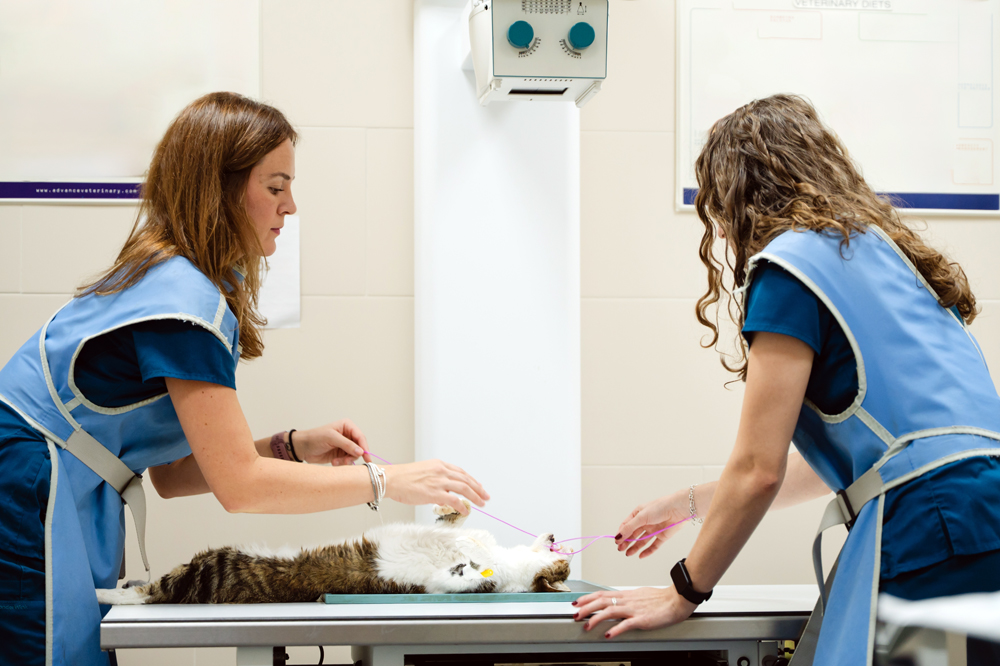
The rise of relief Veterinary technician jobs is transforming the way clinics and hospitals staff their support teams across the Veterinary profession. Many technicians are seeking more flexibility, autonomy and control over their schedules, which relief work offers in meaningful ways. As a result relief Veterinary technician jobs have grown steadily as professionals pursue careers that align with personal goals and preferred work styles. Moreover clinics benefit greatly from the adaptability relief technicians provide during staffing shortages and busy seasons. Therefore the future of Veterinary support teams is strongly shaped by the growing availability of relief roles.
Demand for relief Veterinary technician jobs continues to increase as hospitals face challenges related to turnover, burnout and shifting caseloads. Clinics rely on relief technicians to stabilize operations, maintain patient care and support permanent staff during peak hours. In addition relief technicians bring diverse clinical experience that strengthens team performance. Therefore Veterinary organizations are incorporating relief support into long term staffing strategies. Moreover the rise in relief opportunities gives technicians new pathways to explore their professional interests. As a result these roles contribute significantly to the ongoing evolution of the Veterinary workforce.
Why Relief Veterinary Technician Jobs Matter
Understanding why relief Veterinary technician jobs matter requires examining the pressures faced by Veterinary support teams. High caseloads, demanding schedules and emotional strain often contribute to burnout among technicians. Relief roles provide essential support by allowing individuals to tailor their schedules to better manage personal and professional demands. Therefore relief work helps reduce stress and improve overall well being. Moreover technicians who control their workload are often more engaged and energized. In addition relief roles introduce variety into daily responsibilities which helps maintain motivation. As a result relief positions create healthier career paths for technicians across the industry.
Relief Veterinary technician jobs also matter because they help clinics maintain consistent operations when full time staff are unavailable. Many hospitals experience temporary staffing gaps due to vacations, illness or continuing education needs. Therefore relief technicians support patient care during these periods, ensuring smooth workflow throughout the hospital. Moreover clients benefit from uninterrupted service. In addition relief technicians help prevent overwork among permanent staff which strengthens morale. As a result relief roles contribute to better teamwork and stronger patient outcomes. Their importance continues to grow as staffing needs fluctuate across the profession.
Responding to Industry Shifts
The expansion of relief opportunities reflects broader shifts in the Veterinary industry. Many technicians are rethinking traditional employment models in search of more balance. Therefore relief Veterinary technician jobs appeal to those who want increased flexibility without sacrificing their careers. Moreover relief work offers an opportunity to explore different practice settings, from general medicine to emergency care. In addition technicians can discover which environments best suit their strengths and long term goals. As a result relief work supports professional growth and self discovery within the field.
Industry shifts also include the rising need for adaptable staffing solutions. Clinics must remain agile as caseloads fluctuate due to seasonal patterns, economic changes and community demand. Therefore relief technicians help clinics adjust quickly by providing immediate support. Moreover relief coverage allows permanent staff to pursue continuing education and certification without leaving clinics understaffed. In addition relief work helps new technicians gain experience across multiple settings. As a result the profession benefits from stronger and more versatile support teams.
How Relief Veterinary Technician Jobs Expand
The ways relief Veterinary technician jobs expand reflect the growing recognition of their value in Veterinary operations. Many hospitals now schedule relief technicians intentionally rather than relying on them only during emergencies. Therefore relief roles have become integrated into long term staffing plans. Moreover clinics use relief support to extend service hours or accommodate special procedures. In addition relief technicians often bring specialized skills that complement permanent staff. As a result hospitals benefit from broader expertise and improved patient care.
Relief Veterinary technician jobs also expand due to advancements in digital tools. Online platforms now streamline scheduling, communication and job matching. Therefore technicians can easily browse available shifts and select opportunities that align with their preferences. Moreover clinics can share details about expectations and workflow before shifts begin. In addition digital systems reduce administrative work for both parties. As a result the relief hiring process becomes more efficient and accessible. Technology is playing a key role in the expansion of relief opportunities across the country.
Strengthening Veterinary Team Performance
Relief technicians play a significant role in strengthening overall team performance. Their ability to integrate quickly into new environments demonstrates adaptability that benefits hospitals of all sizes. Therefore clinics must support their success by providing clear instructions and expectations. Moreover sharing workflow details helps relief technicians perform efficiently. In addition welcoming temporary staff promotes positive collaboration. As a result teams function more cohesively and maintain consistent service levels.
Veterinary teams also benefit from the diverse experience relief technicians bring. Many relief professionals develop strong clinical skills because they have worked in multiple environments. Therefore they contribute fresh insights and problem solving strategies. Moreover relief technicians help clinics refine their processes by offering outside perspectives. In addition they support teams by reducing pressure during high volume periods. As a result clinics operate more smoothly and deliver higher quality care. Relief technicians strengthen both team effectiveness and organizational resilience.
Today’s Relief Veterinary Technician Jobs
The landscape of relief Veterinary technician jobs continues to evolve as demand increases. Clinics now rely on relief technicians across general practice, specialty hospitals, emergency centers and mobile services. Therefore technicians interested in relief work gain access to diverse opportunities that match their interests. Moreover relief roles allow technicians to focus on specific tasks they enjoy such as anesthesia, dentistry or patient triage. In addition relief positions offer flexibility for technicians who need adaptable schedules due to family, education or personal goals. As a result relief work supports a wide variety of career paths.
Today’s relief opportunities also accommodate transitions between full time roles. Technicians moving to new cities or exploring new specialties can use relief jobs to bridge career changes. Therefore relief roles support long term career development. Moreover technicians recovering from burnout often use relief work as a slower re entry into clinical practice. In addition many technicians combine relief work with teaching, consulting or volunteer opportunities. As a result relief Veterinary technician jobs provide meaningful and sustainable options for professionals at every stage of their careers.
The Role of Agencies in Relief Hiring
Staffing agencies play a central role in connecting clinics with qualified relief technicians who excel in relief Veterinary technician jobs. Agencies maintain extensive networks of professionals with diverse backgrounds. Therefore clinics gain fast access to skilled candidates when staffing needs arise. Moreover agencies help match technicians with environments that align with their strengths. In addition agencies coordinate communication and scheduling to streamline the hiring process. As a result both clinics and relief technicians benefit from structured and reliable placements.
Agencies also support technicians seeking relief work by helping them define their goals, availability and preferred settings. Therefore technicians receive guidance and clarity during their job search. Moreover agencies provide insights into compensation expectations and market trends. In addition agencies manage administrative tasks that reduce stress for technicians. As a result professionals enjoy smoother and more successful relief careers. The support of staffing agencies strengthens the entire relief hiring ecosystem.
Conclusion
The continued rise of relief Veterinary technician jobs reflects the evolving needs of both Veterinary technicians and the organizations that depend on them. Relief professionals bring adaptability, experience and flexibility that enhance clinic operations and patient care. As the industry continues to grow, relief opportunities will play an increasingly important role in staffing strategies. When hospitals and clinics need support hiring relief veterinarians, The VET Recruiter Relief remains the top choice. The firm understands the unique demands of relief staffing and connects organizations with skilled professionals who support strong teams and reliable care. With deep industry knowledge and extensive networks, The VET Recruiter Relief helps practices thrive in a changing Veterinary landscape.